

This fall, more than 80 senior HR leaders in New York and San Francisco at Transform’s Exec Summits faced the same AI workforce scenario with their peers. Here’s how they reasoned, where they disagreed, and what the debate taught them.


The short answer
Making the AI call is the easy part. Nobody chose to fill every role AI might absorb, so the decision itself wasn’t where the leaders diverged. They differed on what came before and after it: how much they tested the decision before committing, what they told people when it started to strain, whether they checked the AI tool before judging the people using it, and whether HR applied the same standard to its own team.
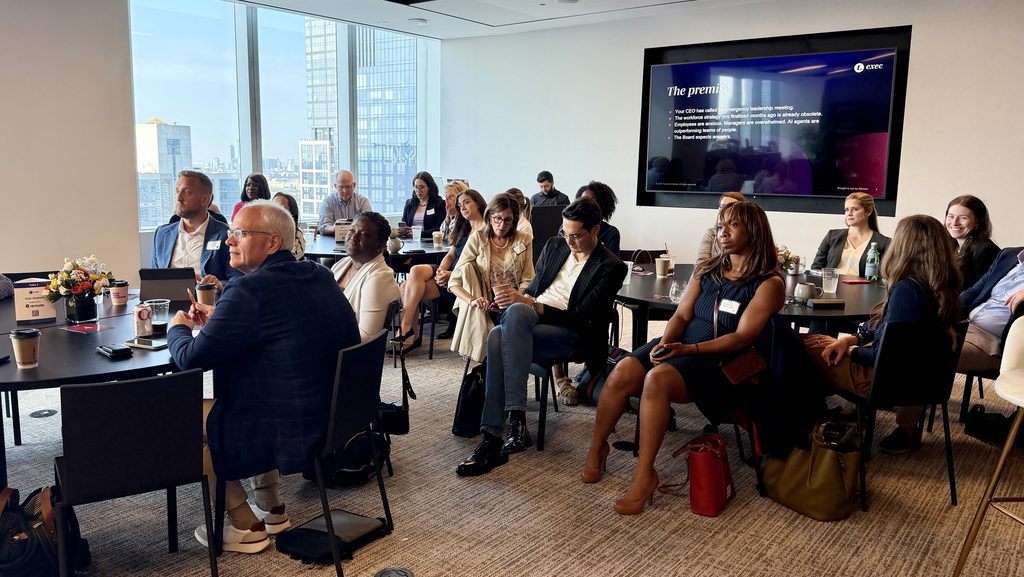
On September 17 in New York and October 15 in San Francisco, senior HR leaders spent a morning at our annual Exec Summits as chief people officers of the same fictional company. Astra is a profitable enterprise software firm of around 2,500 people. AI agents are outperforming some teams, managers are stretched thin, and the board wants a workforce plan that reflects it.
Tables made four decisions in sequence, with one tablemate playing the CFO and another the AI skeptic. Both sessions ran under Chatham House rules, so nothing said at the tables is attributed. Named quotes come from on-the-record interviews recorded at the New York summit.
This scenario was constructed around real challenges from our community members, and helped us identify five patterns that support the fourth of the eight questions Transform 2027 is built around: what kind of leadership does this new era demand?


Should you cancel hires because AI can absorb the work?
Takeaway 1: Most leaders hedged rather than rely on an unwritten estimate. Some asked for the numbers before deciding anything.
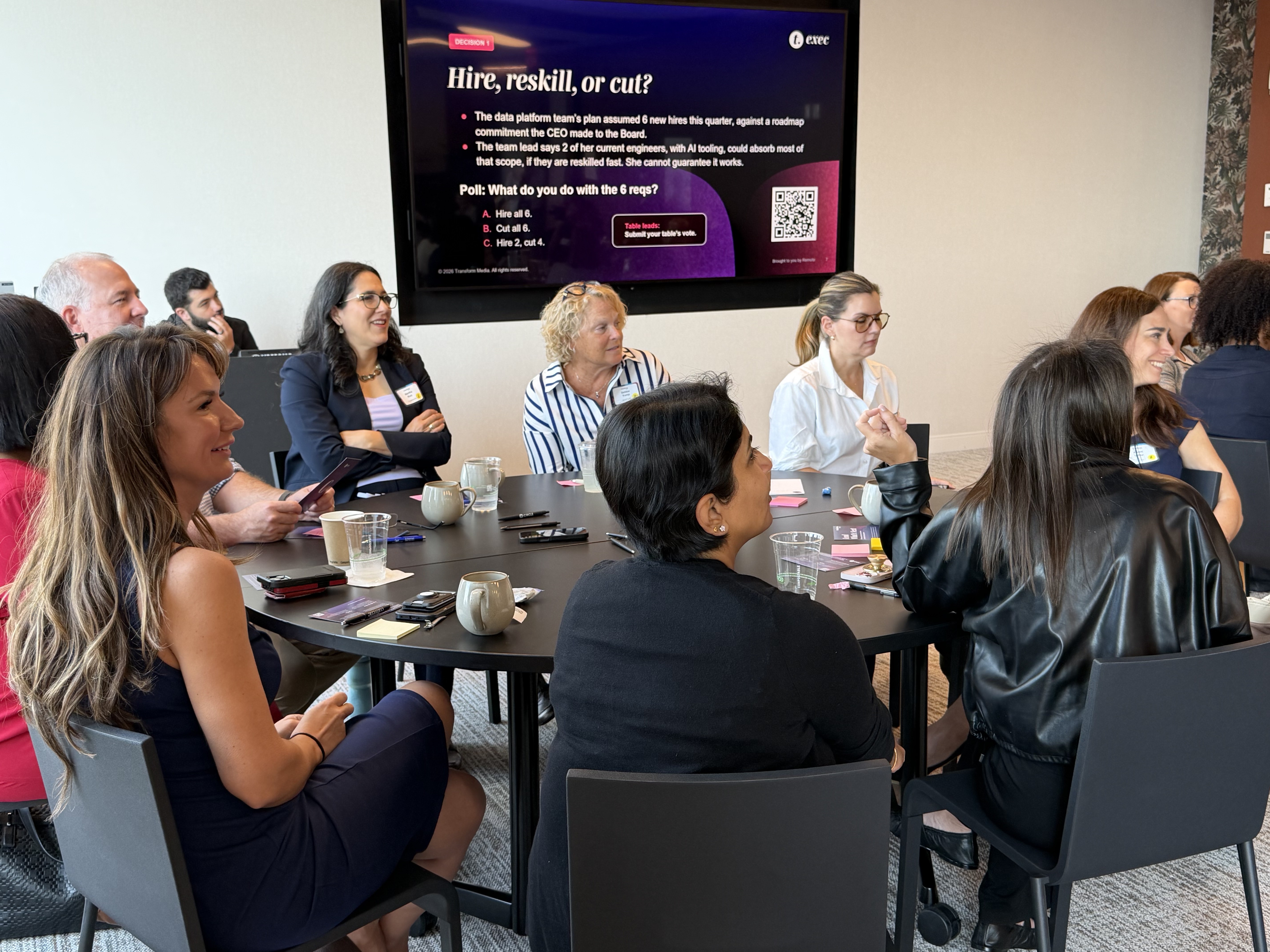
The first call: six approved engineering hires, and a team lead who thinks two of her engineers could absorb most of the work with AI tooling if they’re reskilled fast. She won’t put that in writing. Nobody hired all six. Most tables landed on hiring two, canceling four, and reskilling the rest.
Some made the call first, then built safety nets: contractors with a replacement guarantee, roles held open; engineers borrowed from other teams. Others wouldn’t commit without answers. What does the tooling cost against the headcount? What does “fast” mean in weeks? Are these junior or staff-level roles? Several asked for an AI fluency plan for the whole engineering org, not a one-off fix for two people.
The CFOs moved fastest: once an alternative existed, they treated the budget for the four roles as gone.
What do you do when an AI decision starts to fail?
Takeaway 2: Leaders mostly agreed on how to support a struggling plan. They differed on how to explain it to the CFO and the team.
Six weeks on, the reskilled engineers are underwater, and the team lead escalates to the CPO in front of the CFO. Nobody reversed the decision, but the room divided almost evenly between holding firm and paying for more support.
In practice, the two camps weren’t far apart. Both counted on training and coaching; one borrowed engineers from other teams (a cost that lands on someone else’s budget); the other hired contractors. The difference was in what the CPO would say: “the plan is working as designed” or “the plan needed more than we gave it.”
Julie Bank of Brighton Health Plan made the case for saying it out loud. “Saying nothing is saying something,” she said. Leaders “should also not be afraid to say: ‘I don’t know exactly what’s next, but let’s figure it out together.’”
Is the AI tool failing, or the people using it?
Takeaway 3: Many leaders wanted to know whether the AI tool was the problem before judging the engineers. They couldn’t tell, because nobody had agreed on what to measure.
Unprompted, leaders raised a possibility the scenario never mentioned: maybe the AI tooling was underperforming, not the engineers. Nobody could tell. No output measures had been agreed.
That gap is common. In the 2026 CHRO Survey from the CHRO Association and the University of South Carolina’s Darla Moore School of Business, 47% of 150 CHROs said their organizations had not yet set clear measures of AI productivity gains. Talking about this gap is a fundamental part of our conversation at Transform 2027. It’s one of the eighth questions driving the program: how we know what’s working.
Should workforce plans be built around roles or around the work?
Takeaway 4: Several leaders argued for describing the work first and setting headcount after. Finance and the board will still ask for a headcount number.
Next, annual planning opens. One team lead freezes all hiring and cites AI; another says a 30-person team should be 18. The leaders were torn. Some wanted to plan around the work and let teams choose their mix of people, contractors, and tools. The earlier wobble; they argued because the plan counted six heads and never described the work. Others kept roles but put AI on the org chart as a role with a level, somewhere between an intern and an L6.
Everyone accepted that finance still prices roles by level and location, and the board still wants a headcount number. One leader warned that teams will trade headcount for software, then keep renewing tools nobody uses.
Does HR hold itself to the same standard?
Takeaway 5: Leaders agreed that HR should meet the same standard as the business, yet for their own team most picked the only option with no measure attached.
In the final round, a board member asks the CPO: Where’s the plan for your own 12-person People team? Almost everyone chose to reframe what HR does rather than defend the team or volunteer cuts. One table pointed out that reframing the team is still a way of defending it unless the reframe comes with measures. Leaders who had demanded output measures for the engineers’ AI tooling had chosen, for their own team, the only option without one. A reframe holds up only when it says what HR stops doing, which roles change, and how anyone will know it worked.
Kyle Lagunas, from Kyle & Co, put it plainly: “What is HR becoming? That’s not a passive question. We need to have the answers for ourselves, or let the board answer the question for us.”
5 takeaways for HR leaders
- The AI call isn’t the hard part. Standing behind it when it strains is.
- Be honest about what the plan needs. Holding firm and adding support often look alike on paper. The difference is the story you tell your team and your CFO.
- Check the tool before you judge the people. Agree output measures before the decision, not six weeks into it.
- Describe the work, not just the headcount. A plan that counts heads without describing the work is the one that wobbles.
- Measure HR the way you measure everyone else. A reframe without a number is still a defense.
What leaders get from working through it with peers
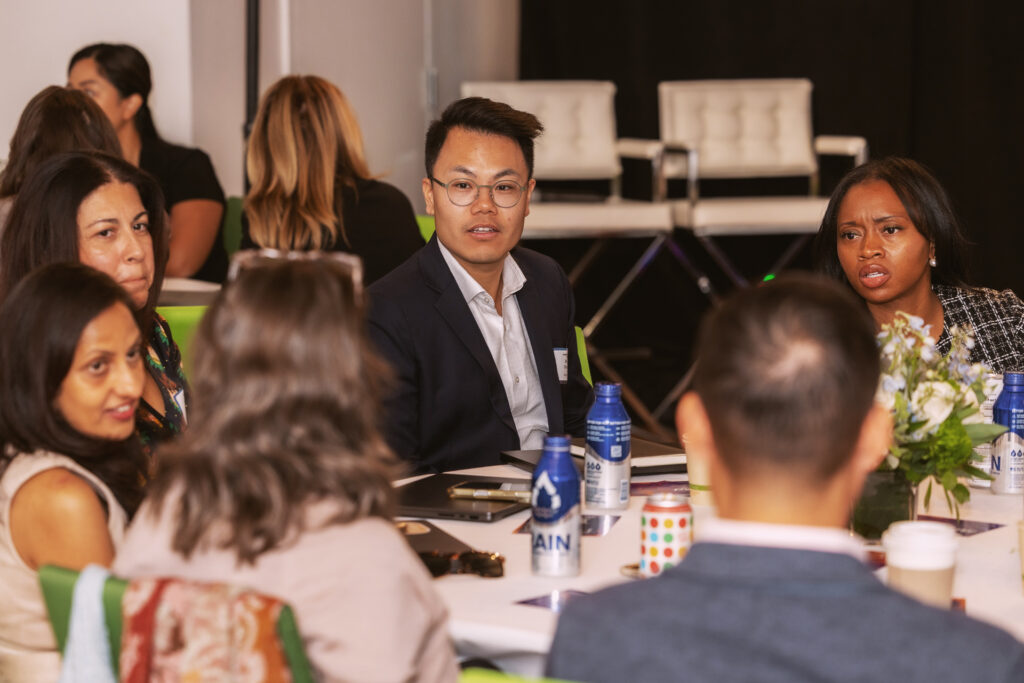
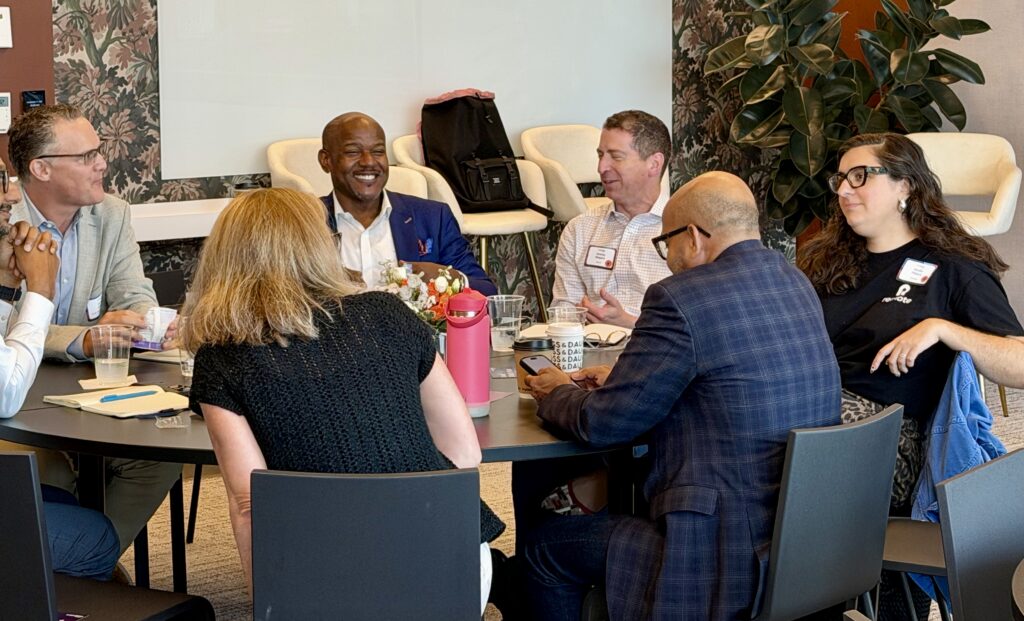
The company was fictional, but with a CFO and an AI skeptic at every table, no decision got through on instinct: people’s choices had to hold up in budget terms, and “we’ll reskill them” had to explain how. Most of the points in this post came from leaders challenging each other, not from the scenario.
As Lagunas put it: “If you’re feeling anxiety about this moment, that’s the perfect reason to be connecting with your peers.”
What the summits add to Transform 2027’s leadership question
Transform 2027 introduces its fourth question with two lines: “You can deploy new technology faster than you can build trust. You can change an operating model faster than you can change a culture.” At the summits, trust depended on what leaders did before a decision (a defined timeline, a real cost comparison, agreed measures) and after (delivering the training time that was promised, and a CPO willing to tell a CFO the plan needs more.)
The conversation continues at Transform 2027, April 12 to 14 at Fontainebleau Las Vegas.

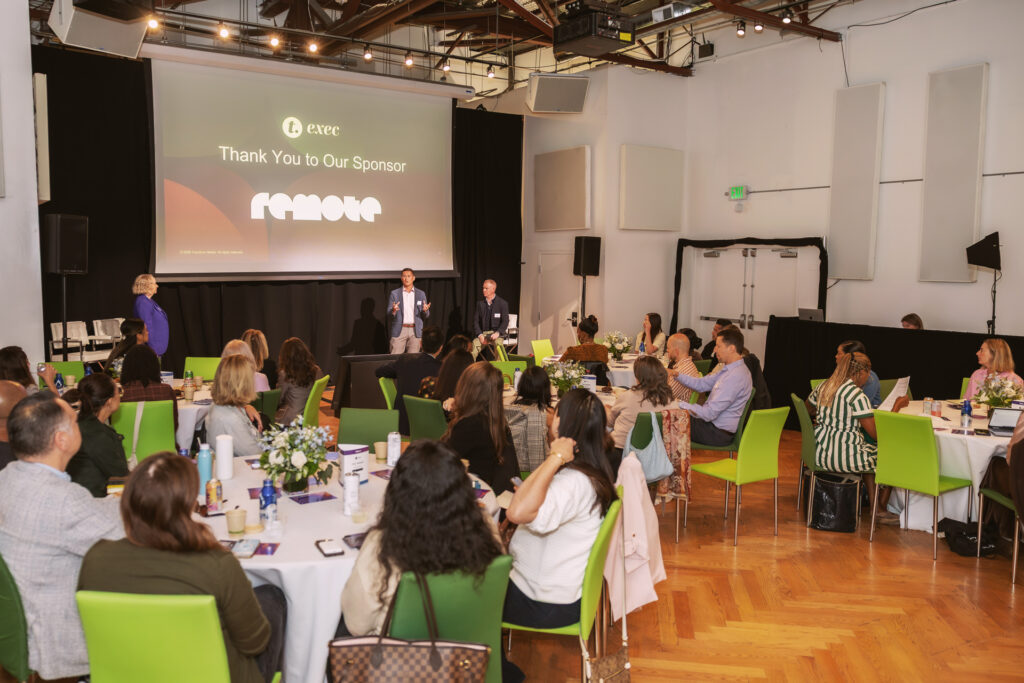

The New York and San Francisco Exec Summits were held in partnership with Remote.
Where these conversations happen between summits
The New York and San Francisco rooms weren’t one-offs. They’re what Transform’s Executive Programs are built for: senior people leaders working through real decisions with peers, under Chatham House rules, all year.
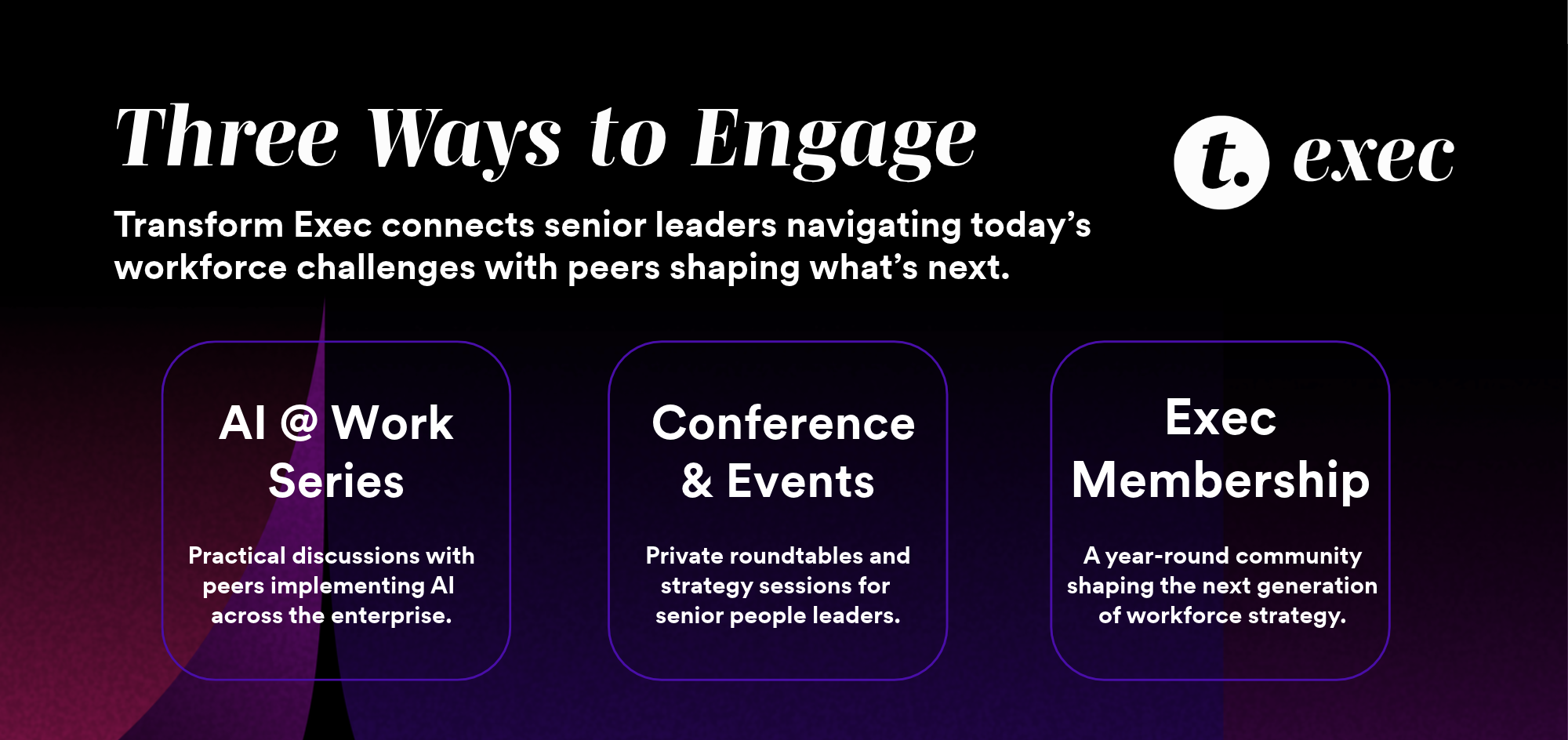
Your first three AI@Work sessions are free.
Membership is the only way to follow the full series.Ready for a cohort?
Request an invitation at [email protected].
FAQ
- What were the Transform Exec Summits in New York and San Francisco?
Executive simulations held in New York on September 17, and in San Francisco on October 15, 2026. At each, 40+ senior HR leaders played the chief people officer of a fictional 2,500-person software company and made AI workforce decisions in sequence, under Chatham House rules. - What kind of leadership does the AI era demand?
Judging by the summits: leaders who pressure-test an AI decision before making it, stand behind it honestly when it strains, measure AI tools before judging the people using them, plan around the work rather than headcount alone, and hold HR to the same standard as the rest of the business. It’s the fourth of eight questions at the heart of Transform 2027. - Do most companies measure AI productivity?
Not yet. In the 2026 CHRO Survey from the CHRO Association and the University of South Carolina’s Darla Moore School of Business, 47% of 150 CHROs said their organizations had not yet established clear measures of AI productivity gains. - What is AI@Work?
A weekly 45-minute virtual series on Fridays where a people leader shows how their company is putting AI to work. Qualified senior HR leaders can attend up to three sessions for free. Exec program members attend every session and get access to past recordings. - How do I join Transform’s Exec Membership?
Membership is invitation-only and includes a Transform 2027 ticket. You can find more information here or request an invitation through [email protected]. - When and where is Transform 2027?
April 12 to 14, 2027, at Fontainebleau Las Vegas.