Why Trust Is the Real Test of AI Leadership
Former REI Chief People Officer Apple Musni on why transparency, vulnerability and human accountability matter even more as AI becomes part of everyday work.
This interview was recorded in March 2026, when Apple Musni was Chief People Officer of REI, before she announced her next leadership role.
Apple Musni on AI and Trust in Modern Leadership
- Trust in AI comes down to human accountability.
“Once you break that, trust is gone and it is so hard to bring it back.” Musni stresses that people, not tools, are accountable for how AI is used. - Adopt AI with the three Rs: ritualize, role model, recognize.
Build AI into everyday practices, model transparent usage from the CEO down, and recognize teams using it well—so AI becomes a core capability, not a side initiative. - Be transparent about what you don’t use AI for.
Trust grows when leaders say both “I used AI to synthesize this feedback” and where they added their own human judgment and context. - Choose pace over perfection.
Told early in her career that vulnerability builds trust, Musni now coaches her team—and her 13-year-old to be brave rather than perfect and to lead with courage. - The CPO role is lonely; community makes it sustainable.
Events like Transform remind people leaders their challenges are normal, turning “misery loves company” into shared problem-solving around AI and capability.
A s AI moves deeper into the workplace, Apple Musni keeps coming back to one responsibility that gets harder, not easier: earning people’s trust.
For REI’s Chief People Officer, that starts with transparency. Not just whether the company uses AI, but whether leaders will say plainly when they use it, how, and where they’ve deliberately chosen not to.
“It’s really important that when we talk about AI at REI, that we start with our CEO and being able to articulate our vision,” she says. “Because for us, trust is really important not only in the moments we find ourselves in now, but even more important in the world of AI.”
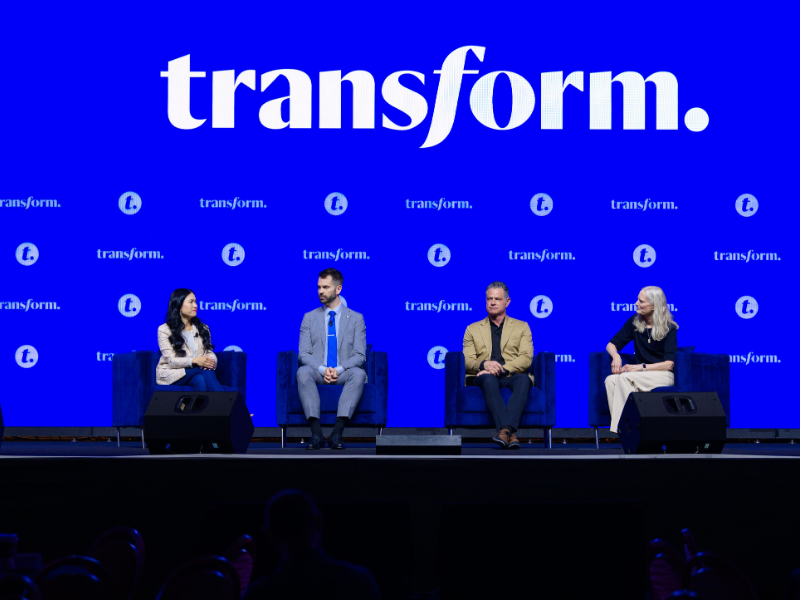
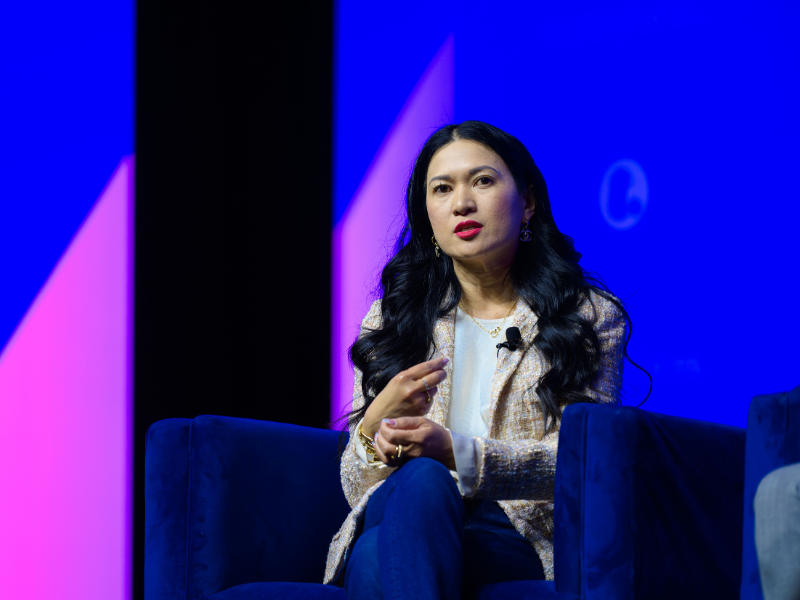
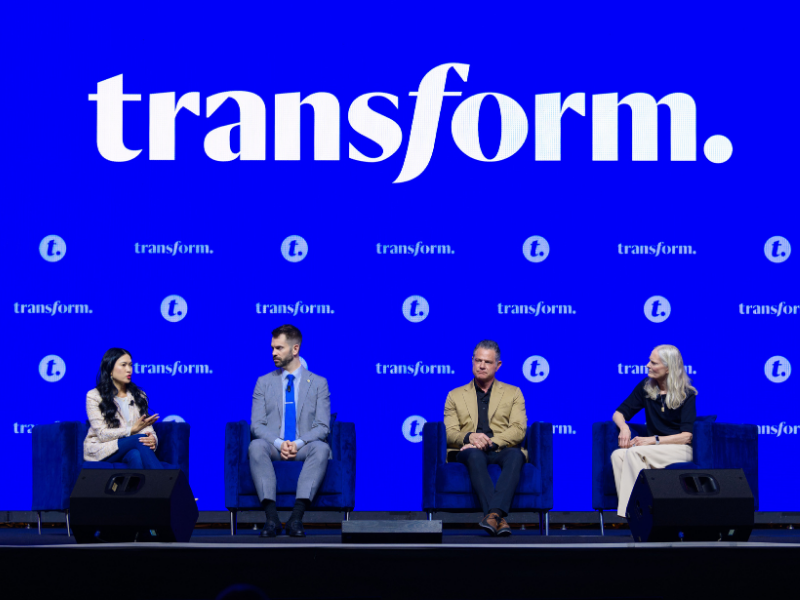
At Transform 2026, she got real about what it takes to lead through all this change, from being open about how technology is used to making sure people don’t get lost in the process. Here are some of our top takeaways.
Trust Requires More Than Policies
Much of the conversation around AI adoption has centered on policies: what employees can use, which tools are approved, what data can go where, and what the guardrails look like. Musni doesn’t dismiss any of that. She just doesn’t think it’s the part that builds trust.
“I think when leaders want to build trust, what matters the most outside of typical policies is transparency,” she says. “It will remain just as important during this current period of AI adoption, as it did during other eras of technology that we’ve been in.”
At REI, that can mean something as straightforward as a manager telling an employee, before delivering feedback, that AI helped pull it together. But the disclosure doesn’t stop there. “I used AI to synthesize the feedback, but I am also contextualizing and here is what that looks like,” Musni offers as an example.
That second part matters. AI can organize the input, but it can’t read the room or decide what the feedback actually means for that person. That part is still on the leader.
“It really is about human accountability,” Musni says. “Because once you break that, trust is gone, and it is so hard to bring it back.”
“I think when leaders want to build trust, what matters the most outside of typical policies is transparency.”
Don’t Make AI Another Initiative
Musni also pushes back on treating AI transformation like a project with a start and end date. “It shouldn’t be viewed as a separate initiative. It’s about embedding AI as a core capability into everything that you do,” she says.
At REI, she has developed a simple framework for making that happen: Ritualize. Role Model. Recognize. Ritualize it by building AI into the everyday habits of how people already work. Role model it by having leaders use it visibly, not behind closed doors. Recognize it by calling out teams that are finding meaningful ways to apply it.
The framework works because it puts leaders inside the change instead of announcing it from a podium. “It’s about being vulnerable and transparent, starting with our CEO and extending throughout the organization in how we use AI,” Musni says.
The point isn’t for leaders to appear as though they have mastered every new tool. It’s to make learning visible. When leaders show how they are experimenting, where technology helps, and where they still rely on human judgment, they give everyone else permission to learn in the open as well.
“Don’t treat AI as a separate initiative. Embed it as a core capability into everything you do.”
Join your peers, business leaders and an all-star line-up of speakers to shape the future of people + work.

April 12-14 | Fontainebleau Las Vegas
Be Brave, Not Perfect
Musni admits that learning out loud didn’t come naturally to her. “The biggest piece of feedback I’ve received [as an HR professional] is the importance of vulnerability,” she says.
Growing up in Asia, she remembers absorbing a very different message. “You’re not supposed to show your imperfections to people,” she says. Early in her career, a leader challenged that belief by explaining that vulnerability allowed people to connect with, and ultimately trust, her more. The idea stuck.
She’s since turned it into something close to a mantra that she uses with her team and with her 13-year-old at home. “We talk a lot about being brave and not being perfect,” she says, describing it as a way to build courage and learn “how to work with pace over perfection.”
That phrase lands differently in a workplace being reshaped by AI, where leaders are under constant pressure to have the answer: which tool to adopt, which skills will matter, what happens to which roles. Musni’s version of leadership doesn’t require having all of that figured out. It requires being honest about what you don’t know yet and holding onto what you do: where human judgement still makes the call.
“It’s important to learn how to work with pace over perfection.”
Leaders Need Support Too
There’s another side of leadership Musni believes doesn’t get discussed enough: how isolating it can become.
“When I go to events like Transform, I think about three things,” she says. “Connection, capability, and community. Connection comes first for a reason. “The CHRO job is one of the loneliest jobs because we have to compartmentalize our role.”
It’s not hard to see why. A chief human resources officer might be coaching the CEO, advising the board, sitting with the executive team, and carrying responsibility for how work feels for thousands of people, all at once. At REI, that’s roughly 16,000 people on Musni’s watch, and the usual release valve isn’t available to her. “As a CHRO you’re not going to vent like other employees do with each other about many things,” she says.
That’s why she treats peer community as non-negotiable. At Transform, leaders get to compare notes, admit what isn’t working, and often discover the challenges they’ve been carrying alone aren’t unique to them. “You realize that your problems are also very normal,” she says. From there, the conversation turns practical: “How do we solve things together? What did you see work? What didn’t work?”
“The CHRO job is one of the loneliest jobs because we have to compartmentalize our role.”
What This Means in Practice for People Leaders
Make transparency part of AI adoption.
Encourage leaders to explain when and how they are using AI, and where human judgment remains responsible for the outcome.
Keep a name attached to every major decision.
AI can synthesize, accelerate, and inform. People still need to own the decisions that affect other people. Make it clear who is accountable when AI contributes to feedback, hiring, performance decisions, or other consequential work.
Ritualize, role model and recognize.
AI adoption becomes real when it moves into everyday behavior. Create regular opportunities to use the tools, ask leaders to demonstrate their own practices, and recognize teams that are applying them thoughtfully.
Let people see leaders learning.
Showing where you’re experimenting, what you’re still figuring out and even where you’ve made mistakes can create permission for others to learn without waiting for perfection.
Build community for the people carrying the hardest decisions.
Senior people leaders spend much of their time supporting everyone else. Make sure they also have trusted spaces to compare experiences, test ideas, and ask for help.
Transformation Is a Team Sport
Musni’s three reasons for gathering: connection, capability and community all point back to the same idea: none of this happens alone. Transformation happens when leaders are willing to learn from one another, build new capabilities, and work through tough questions together.
For her, that circle extends past other CHROs to any leader wrestling with the same questions, whether the subject is AI, manager capability, or whatever transformation comes next.
It’s also the throughline of everything else she said: the more sophisticated the tools get, the more the job comes down to distinctly human qualities like judgment, accountability, and the willingness to be seen still figuring it out. Technology will keep changing, but what people decide to do with it won’t stop being a human call.
FAQs
How does Apple Musni say leaders should build trust when adopting AI?
Apple Musni says trust in AI comes down to human accountability and transparency. Leaders should be clear not only about what they use AI for, but also what they don’t—for example, saying you used AI to synthesize feedback while contextualizing it yourself. Once trust breaks, she warns, it’s very hard to bring back.
What are Apple Musni's "three Rs" of AI adoption?
Apple Musni’s framework for embedding AI is ritualize, role model, recognize. Ritualize means building AI into everyday practices; role model means leaders being transparent about how they use it, from the CEO down; and recognize means celebrating teams who use AI well. The goal is treating AI as a core capability, not a separate initiative.
Why does Apple Musni say transparency matters more than AI policies?
Musni says that beyond typical policies, transparency is what builds trust—and it mattered before AI, during AI, and in every technology era. In practice it means role-modeling AI usage openly: being clear about what you use AI for and what you deliberately don’t. Policies set rules, but transparency is what earns people’s trust.
Why does Apple Musni value vulnerability in leadership?
The biggest feedback Musni received was to show vulnerability. Raised in Asia to appear perfect, she learned early that vulnerability builds connection and trust because people relate to you more. She now coaches her team, and her 13-year-old, on being brave over perfect, favoring pace over perfection and courage over flawlessness.
Who is Apple Musni and what was her Transform keynote about?
Apple Musni is Chief People Officer at REI, where she supports around 16,000 employees. In her Transform 2026 keynote and Behind the Keynote conversation, she shared how transparency, human accountability, and her ritualize–role model–recognize framework help leaders build trust while adopting AI as a core capability across the organization.
More Behind the Keynote Features