

The Quiet Power of Emotional Intelligence
CNN host and RAPPORT.co founder Van Jones believes the answer to a more divided workplace isn’t more information. It’s more emotional intelligence: the overlooked leadership skill for an increasingly disconnected world.
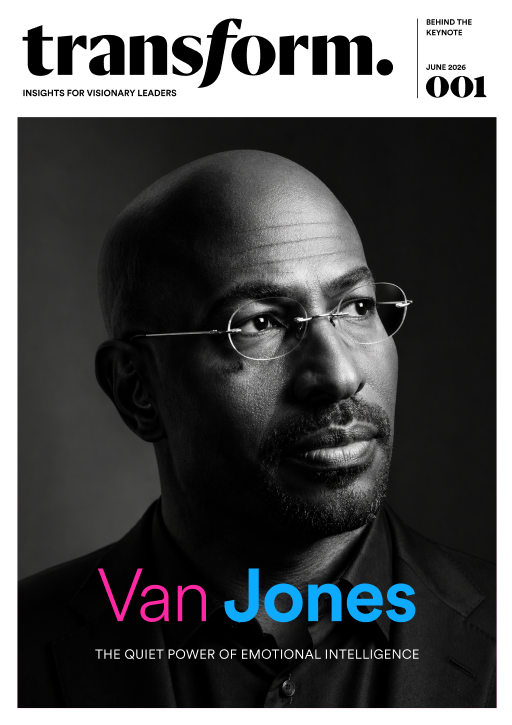
Van Jones on Emotional Intelligence in Modern Leadership
- Start with the human, not the disagreement.
“Everybody’s just some kid from somewhere trying to get to someplace better.” Ask what brought someone here before asking how they’re wrong. - We all carry blind spots and sore spots.
Blind spots are what your own vantage point hides from you. Sore spots are the triggers that lived experience leaves behind. Recognizing both is the work. - Proximity creates perspective.
Good intentions aren’t enough. you can’t fully grasp a reality you haven’t lived. Seek out the people whose experience differs from yours. - Don’t believe your own algorithm.
Feeds are built to reward engagement, not understanding. They convince us the world sees things the way we do. - Emotional intelligence is a strategic skill, not a soft one.
In a workplace increasingly shaped by technology, the leaders who thrive won’t be the loudest or the most certain. They’ll be the ones who know how to connect.
In today’s world, we’re surrounded by ways to connect. Our smartphones hold entire networks, we can chat across continents in the blink of an eye, and the sheer volume of information we consume daily would make our ancestors’ heads spin. But despite all this connectivity, many of us feel more isolated than ever. Trust is slipping away, workplaces feel divided, and conversations that once flowed now just seem stuck. Technology brings us closer, yet somehow, we’re drifting apart.
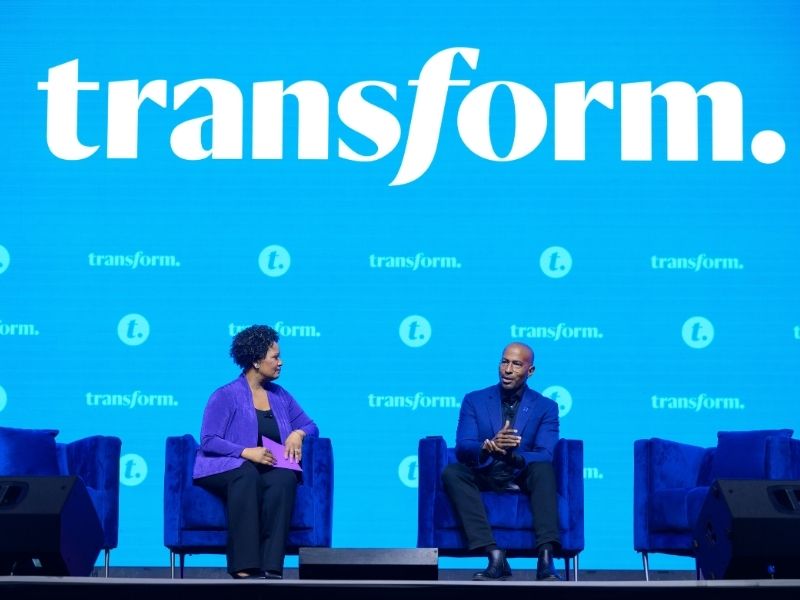
That’s the paradox of modern life: we have all these tools to communicate, but fewer chances to truly get each other. In his Transform 2026 Keynote, CNN host and founder of RAPPORT.co Van Jones argued that the answer might not be more information, but more emotional intelligence.
At its core, emotional intelligence is about self-awareness, recognizing what others may be going through, and choosing empathy over judgment. It sounds simple, but its impact reaches far beyond the workplace. It’s a life skill that shapes how we build relationships and navigate challenges.
Known for bringing people together across political, cultural, and racial divides, Jones’ message was honest, timely and deeply human, echoing well beyond the conference stage. He shares his personal journey navigating “blind spots” and “sore spots” and the inspiration behind launching an AI-driven workplace culture platform that’s all about better communication. Here are some of our top takeaways.
“When I feel discouraged with the level of division, I [remind myself] that we’ve been more divided than this. Somehow people found a way to get back to the table and make America better. And that’s what we have to do now.”

Why Emotional Intelligence Matters in Today’s Workforce
HR leaders are on the frontlines of transformation. The workplace isn’t just about getting things done; it’s a melting pot of diverse experiences and aspirations. Emotional intelligence is the key to unlocking this potential, making sure employees feel valued and connected. This is crucial as organizations aim to retain top talent and build strong teams.
Looking for the Human First
In his Transform keynote, Jones circled back to this simple, yet profound idea: before diving to disagreements, look for the humanity. “Everybody’s going through something,” he said. “Everybody has some unhealed hurt. Everybody’s just some kid from somewhere trying to get to someplace better.”
In a culture that thrives on certainty and quick judgment, this perspective feels almost revolutionary. We often meet people through their opinions or online personas, pegging them before we even know who they really are. Emotional intelligence flips this script: start with the person, nurture curiosity, and instead of asking, “How are they wrong?” ask, “What journey brought them here?” This doesn’t mean giving up our beliefs; it means broadening our horizons.
“ Everybody has some unhealed hurt. Everybody’s just some kid from somewhere trying to get to someplace better. ”
The Blind Spots and Sore Spots We All Carry
Emotional intelligence isn’t just about understanding others; it’s about recognizing what we don’t know. Jones refers to this as confronting our “blind spots” and “sore spots.” Blind spots are areas where we’re unaware of our own privilege or perspective, while sore spots are emotional triggers tied to lived experiences of marginalization and unfair treatment. The challenge is in learning to recognize them.
Jones recalls a period in his own life when living with a lesbian couple opened his eyes to experiences he hadn’t personally encountered. It wasn’t about being a bad person before; it was about realizing that good intentions aren’t enough. Proximity creates perspective. You can’t fully grasp a reality you haven’t lived.
For people leaders, this means creating spaces where diverse perspectives are not only welcomed but sought after. Encourage dialogues that allow employees to share their stories, fostering a culture of inclusivity and understanding. Embrace diverse perspectives, be open to being wrong, and see learning as an opportunity, not a threat.
Don’t Believe Your Own Algorithm
Jones’ most urgent insight goes beyond leadership into everyday life: “Don’t believe your own algorithm.” Our digital worlds often echo our own beliefs, rewarding engagement over understanding. They’re designed to keep us scrolling, not broaden our views. We start to believe the world sees things our way, forgetting others live entirely different narratives. Emotional intelligence acts as a counterbalance, urging us to listen before reacting and to understand before judging. It’s about making friends with those who think differently; not to agree, but to understand.
Join your peers, business leaders and an all-star line-up of speakers to shape the future of people + work.

April 12-14 | Fontainebleau Las Vegas
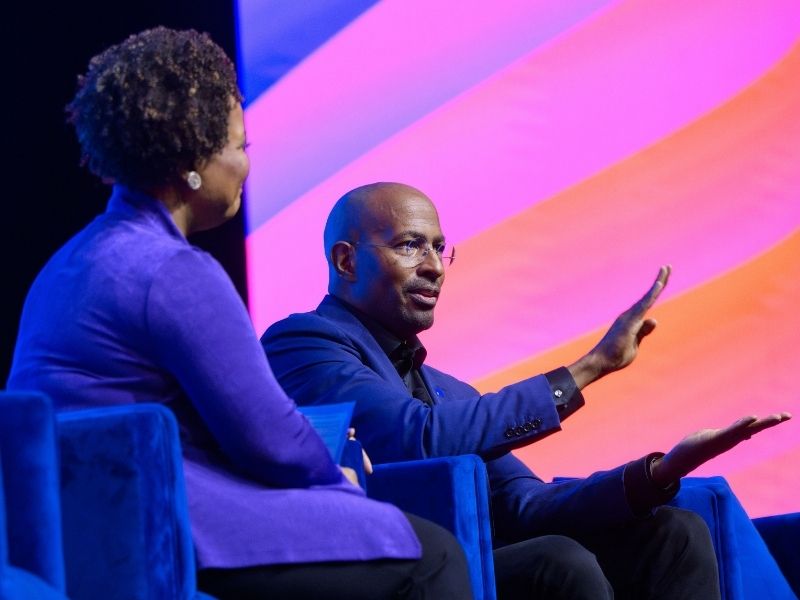
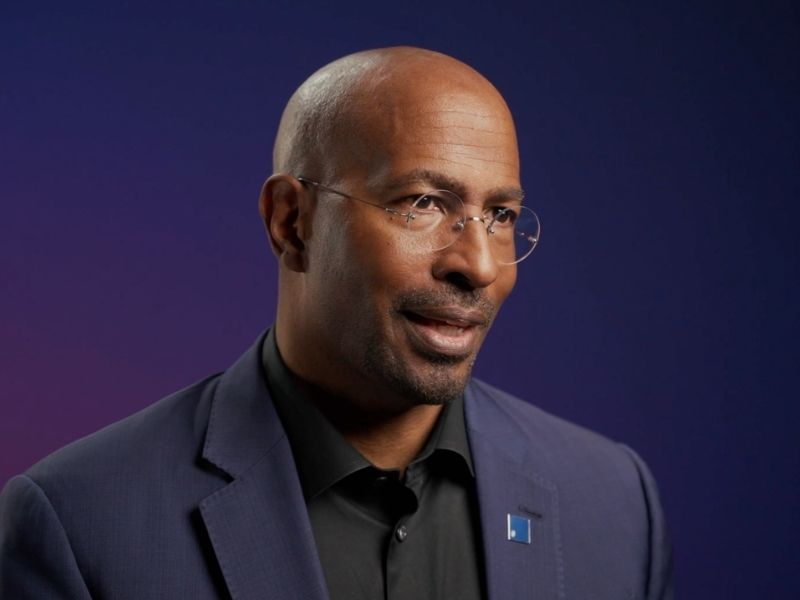
“ We have more tools to understand each other and to reach each other than ever. We should use them to bring people together. ”
What This Means in Practice for People Leaders
Emotional intelligence might sound abstract, but it’s found in small, deliberate actions:
Lead with curiosity.
Ask more questions than you answer. Genuine curiosity builds trust and opens doors.
Seek proximity.
Spend time with people whose experiences differ from yours. Understanding grows through these relationships.
Challenge your information diet.
Read broadly, listen intentionally, and resist living entirely in your perspective.
Assume shared humanity.
Everyone carries unseen burdens. Leading with empathy transforms interactions.
Find your way back to the well.
Whether through music, family, or community, stay connected to what restores you.
A Different Kind of Leadership
It’s easy to feel discouraged by the world’s state, but Jones offers a hopeful view. We’ve been through profound divisions before, and progress happened when people came together, listened, and built something new. Today’s opportunity is no different. Technology will evolve, work will change, and new challenges will arise. The leaders who thrive won’t be the loudest or the most certain, but those who know how to connect.
For people leaders, emotional intelligence is a strategic imperative. It’s the cornerstone for creating workplaces that are productive, empathetic, and resilient. In a world increasingly shaped by technology, emotional intelligence remains one of our most powerful ways to stay human. And that might just be the leadership skill that matters most.
FAQs
What is emotional intelligence and why does it matter for leaders?
Emotional intelligence is self-awareness, recognizing what others may be going through, and choosing empathy over judgment. Van Jones calls it the leadership skill that matters most. For people leaders, it builds trust, helps employees feel valued and connected, and creates workplaces that are more productive, empathetic, and resilient in an increasingly divided, technology-driven world.
What does Van Jones mean by "blind spots" and "sore spots"?
Blind spots are areas where we’re unaware of our own privilege or perspective, while sore spots are emotional triggers tied to lived experiences of marginalization and unfair treatment. He says proximity creates perspective and can open our eyes to realities we haven’t lived. Good intentions alone aren’t enough to understand others.
What does "don't believe your own algorithm" mean?
It means recognizing that social media and digital feeds echo your existing beliefs, rewarding engagement over understanding and keeping you scrolling. Van Jones warns this tricks you into thinking everyone sees the world your way. The remedy is listening before reacting and making real friends who think, vote, and pray differently, not to agree but to understand.
How can leaders practice emotional intelligence at work?
Van Jones suggests five deliberate habits: lead with curiosity by asking more questions than you answer; seek proximity to people whose experiences differ from yours; challenge your information diet by reading broadly; assume shared humanity, since everyone carries unseen burdens; and find your way back to the well through music, family, or community that restores you.
Who is Van Jones and what was his Transform 2026 keynote about?
Van Jones is a CNN host and founder of RAPPORT.co, an AI-driven workplace culture platform focused on better communication. In his Transform 2026 keynote, part of the Behind the Keynote series, he emphasized that emotional intelligence, not more information, is the leadership skill most needed to bridge division in the future of work.
Take the Van Jones Keynote Course on CodeSignal

CodeSignal and Transform are bringing conference conversations to life through interactive, hands-on learning experiences for leaders in the Human + AI era. Go beyond the stage with a practical framework for applying insights from Van Jones’ Transform session in this free course.
More Behind the Keynote Spotlights



Follow us for regular updates