When Excellence Means More Than Winning
Olympic gold medalist Kendall Ellis on pressure, resilience, and why sustainable performance starts with knowing who you are beyond the results.
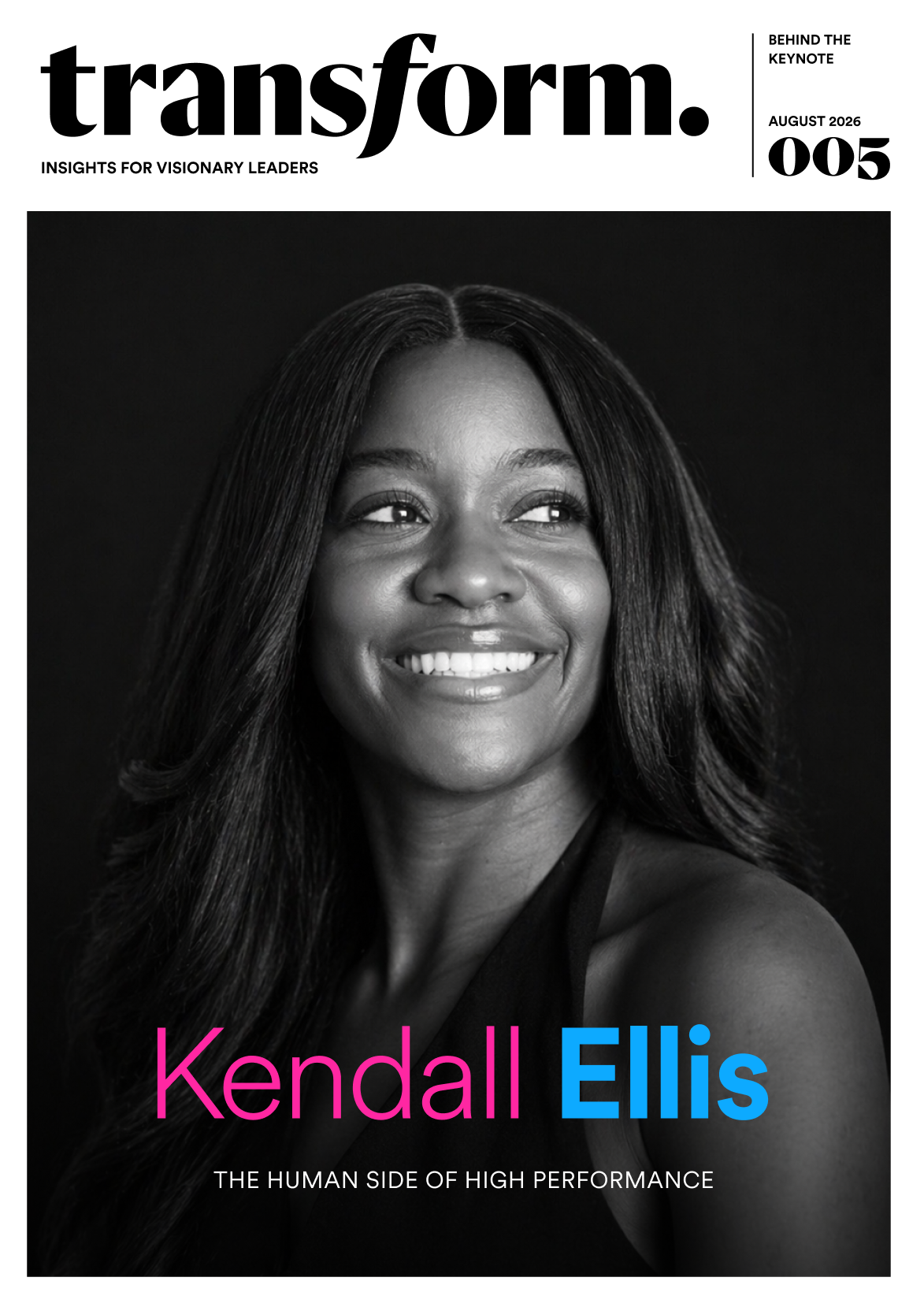
Kendall Ellis on High Performance and Resilience at Work
- Pressure is a privilege, not a threat.
“If I feel this pressure, it is because things are expected of me in the best way.” Ellis reframes high expectations as proof that people believe in what you’re capable of. - Separate the person from the athlete.
Your identity isn’t your latest result. When online criticism blurred that line at the Paris Olympics, Ellis returned to the people who actually know her, not public opinion. - Acknowledge the hole before offering the ladder.
After a devastating Olympic round, her coach named the setback honestly, then held the ladder steady. Resilience is taking the next step, not pretending the fall didn’t happen. - Excellence doesn’t always look like winning.
On the hardest days, just getting to the starting line was the win. What excellence required of you can look very different from what it looks like from the outside. - Build an identity bigger than the job.
“Ultimately, this is just a job.” Friends, family, and coaches gave Ellis a foundation one bad result couldn’t shake and a stronger place to perform from again.
Olympic sprinter Kendall Ellis has spent most of her life in a world where performance is measured down to the hundredth of a second. There is a clarity to that kind of scoreboard. Cross the line first and you win. Make the team and you advance. Miss the mark and you go home.
What the scoreboard can’t capture is everything it took to get there. For Ellis, some of the most important lessons of her career have come from learning to separate achievement from identity, to redefine what excellence looks like in difficult moments, and to understand that pressure doesn’t have to disappear before you can perform.
“My entire career should be summed up as separating the person from the athlete,” she says. “I want to be a great athlete at the end of the day, but I also really care about who I am off the track.”
It’s a distinction that extends well beyond sports. In workplaces where high performers are often celebrated for what they produce, Ellis offers a different way to think about performance: What happens when people know their value isn’t dependent on their latest result?
“I view pressure as opportunity. People know what I’m capable of and things are expected of me in the best way.”
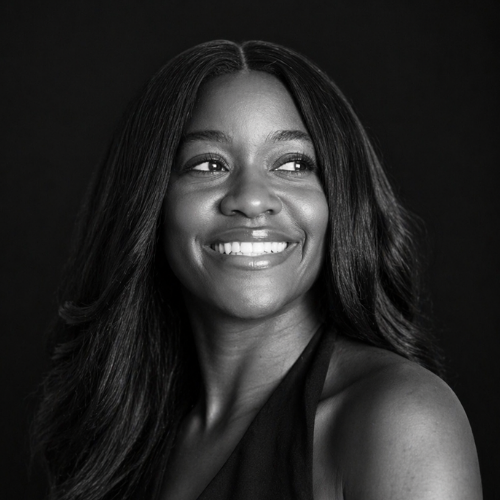
Kendall Ellis on turning pressure into possibility
Pressure Is a Privilege When You Learn How to Carry It
Ellis has been running competitively since childhood. Pressure came with it. “When I was younger, [pressure] very much felt overwhelming, all-consuming,” she says. “It would occupy weeks leading up to the competition and days after.” One experience in particular changed her relationship with it.
As a college junior, Ellis unexpectedly made the 2017 World Championship team. She arrived at the competition carrying enormous expectations, most of them her own. “I walked out onto the line with tears in my eyes because I was so overwhelmed with all the pressure that I was feeling,” she recalls. “Pressure that didn’t really exist externally, only internally in the expectations I had set for myself.”
The race didn’t go well. Ellis remembers it as one of the most difficult competitive experiences of her career. She also remembers the decision she made afterward: I don’t ever want to feel that way competing again.
That didn’t mean eliminating anxiety. It meant learning how to compete alongside it. “Whatever I need to do to prepare, whatever I need to do to be able to coexist with the anxiety is what I’m going to do,” she says.
Years later, Ellis sees pressure differently. “If I feel this pressure, it is because things are expected of me in the best way,” she says. “It’s because people know what I’m capable of.” Pressure, in other words, became evidence of possibility rather than a warning of impending failure.
Sometimes You Don’t Need a Pep Talk. You Need a Ladder.
Resilience can sound abstract until you’re the person who has to get up and perform again tomorrow. Ellis learned that lesson at the 2024 Olympic Games. After failing to advance out of the first round of the 400 meters, she was devastated. A repechage round offered her another chance to qualify, but first she had to recover from what had just happened.
Her longtime coach, Quincy Watts, had been in her corner for more than a decade. An Olympic champion himself, he understood both the stakes and the disappointment. Ellis remembers sitting with him, crying. He didn’t pretend everything was fine. He didn’t tell her the race hadn’t mattered. Instead, he gave her an image she still carries with her. “We’re in the hole,” he told her. “We can acknowledge that, but I have the ladder. I’m at the top, I’m holding it, just climb up.”
The message was simple: You don’t have to erase what happened. You just have to take the next step. Ellis returned the following day, won the repechage round and advanced to the semifinals.
What stayed with her wasn’t only the comeback. It was the steadiness of the person beside her when she was at her lowest. “In a moment where everyone else from the outside [was] looking in and seeing, she did so poorly, she didn’t do well, my coach is there with me,” Ellis says. “He’s understanding. He says, ‘okay, this is the circumstance, but we’re gonna keep fighting.’”
For leaders, there is something worth noticing in Watts’ response. He acknowledged reality without allowing one bad result to become a verdict on what came next. Great coaching isn’t always about finding the perfect motivational speech. Sometimes it’s being calm enough to hold the ladder while someone else climbs.
Join your peers, business leaders and an all-star line-up of speakers to shape the future of people + work.

April 12-14 | Fontainebleau Las Vegas
Excellence Doesn’t Always Look Like Winning
Elite sports offer one of the clearest definitions of excellence imaginable: win. Ellis has learned that reality is more complicated. “I think outsiders could have a different definition of what excellence is versus what my own personal expectation of excellence is,” she says.
There have been races where the most meaningful achievement wasn’t a medal or a personal best. It was getting herself to the starting line. “There are some times where excellence in and of itself is showing up that day,” she says. “For me, getting to the line was the win, and anything on top of that is extra.”
The people watching rarely know what preceded that moment. They see the outcome. The person performing it knows what it cost to arrive there. That distinction matters at work, too.
Organizations need goals. Performance matters. Results matter. Yet a single metric rarely tells the complete story of someone’s contribution, progress or potential. Ellis isn’t arguing for lowering the bar. She’s spent her career trying to clear one of the highest bars in sports.
She’s arguing for understanding what excellence required this time.
“My focus was making sure I showed up that day and was able to compete to the very best of my ability,” she says. “And whether that gets me the win or not, in and of itself, I’ve already won.”
You Are Not Your Last Result
That separation between performance and personhood was tested again at the Paris Olympics. Ellis had expected to compete in the 4×400-meter relay but ultimately did not. After speaking publicly about her disappointment, she received intense criticism and hurtful messages online.
For someone who had spent years separating Kendall the athlete from Kendall the person, the volume of criticism made that line suddenly harder to hold.
“For one of the first times I was a little bit confused and didn’t know if this was Kendall the person or Kendall the athlete,” she says. “You’re getting so much constant negative feedback that it’s difficult not to internalize that and take it as a personality or character flaw.”
She eventually returned to something more durable than public opinion: the people who actually knew her. “The people surrounding you, those who actually know you as a person, know exactly who you are outside of this experience.”
Ellis’ experience raises a question for leaders overseeing high-performance environments: Have we built cultures where people can fail without feeling like they have become failures? The distinction is more than emotional reassurance. People need enough psychological distance from a disappointing result to examine it, learn from it and try again.
Ellis can return to that perspective because she has an identity beyond the track. “When I have disappointing moments where I don’t perform the way I’d like to on the track, I can come back to knowing that I have friends, I have family, I have coaches, I have teammates who love me as a person,” she says. “Ultimately, this is just a job.”
That may be the most unexpected lesson from an Olympian whose livelihood depends on performance. The work can matter enormously without becoming the entirety of who you are.
“There are times where excellence in and of itself is simply showing up that day.”
Kendall Ellis on redefining what excellence looks like
What This Means in Practice for People Leaders
Ellis’ experience offers a useful counterpoint to the way organizations often talk about high performance.
Separate the person from the performance.
Give clear feedback about results without turning a missed target into a judgment about someone’s character or long-term potential. Employees should know where they fell short without feeling that one outcome defines their value.
Help people reinterpret pressure.
High expectations aren’t inherently harmful. What matters is whether employees experience them as confidence in their capability or as a constant threat of failure. Leaders shape that interpretation through the expectations they set, the support they provide and how they respond when things go wrong.
Acknowledge the hole before offering the ladder.
Resilience doesn’t require pretending disappointment didn’t happen. Ellis’ coach named the situation first, then helped her focus on the next move. Leaders can do the same: acknowledge the setback, create stability and make the path forward manageable.
Make room for a more complete definition of excellence.
Results remain important, but context matters. Progress, preparation, consistency, recovery and the ability to show up through difficulty can reveal things that a single performance metric cannot.
Build identities bigger than the job.
When people’s entire sense of worth becomes attached to professional achievement, every setback carries more weight. Cultures that recognize employees as whole people don’t undermine performance. They give people a stronger foundation from which to perform again.
“What excellence looks like from the outside can be very different from what excellence required of you.”
Kendall Ellis on looking beyond the outcome
Bringing the Human Back to High Performance
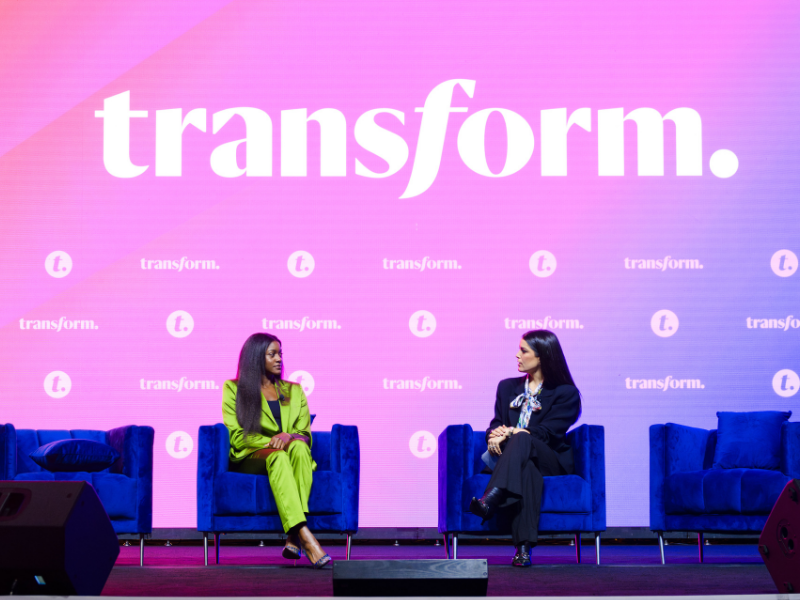
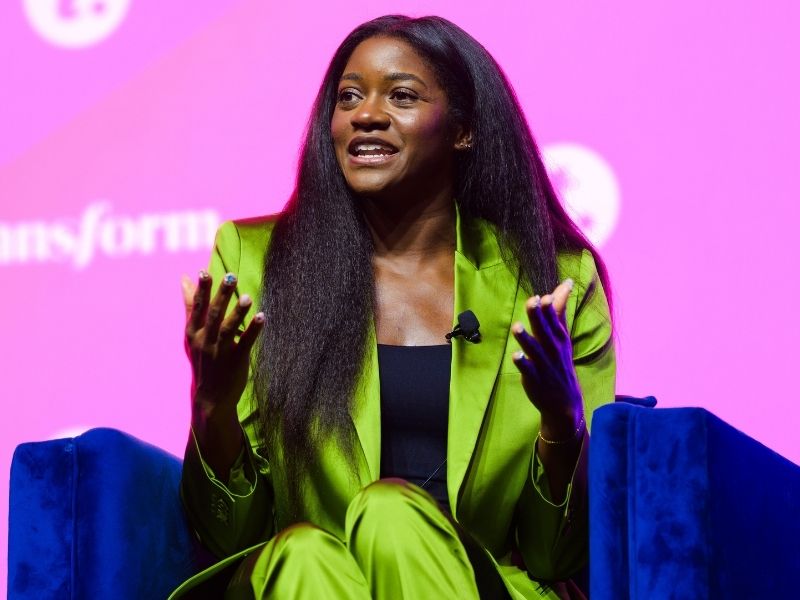
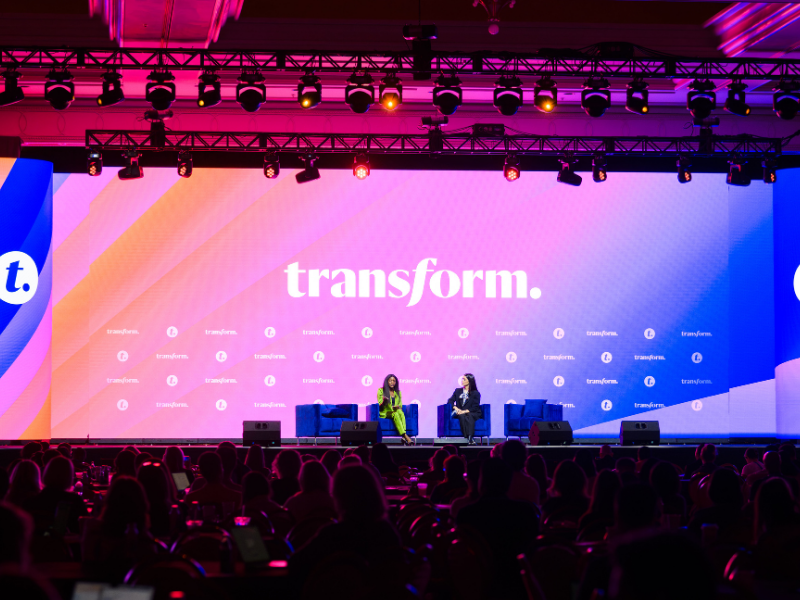
For Ellis, staying grounded also means stepping outside the rarefied world of elite competition. It’s one reason she values experiences like Transform.
“I really appreciate getting to connect with people in person,” she says. “I really pride myself on being able to bridge that gap of placing athletes on a pedestal and kind of viewing us as untouchable and unreachable.”
She likes shaking hands. Talking with young people. Answering questions. Meeting the people who might otherwise know her only as the Olympian on television. “I like to bring that human aspect to what people consider a superhuman profession,” she says.
Those interactions work in both directions. The crowd becomes human to Ellis, and Ellis becomes human to them. “I think it humanizes the crowd and the fans for me, and I think it humanizes me as well as an athlete,” she says.
For leaders, that may be the larger lesson. High performance doesn’t require people to become superhuman. Sustainable excellence comes from giving people the room to remain fully human while asking them to do extraordinary things.
FAQs
How does Kendall Ellis deal with pressure?
Kendall Ellis reframes pressure as a privilege and an opportunity. When she was young it felt overwhelming and all-consuming, but now she sees it as evidence that people know what she’s capable of and expect great things in the best way. The goal isn’t eliminating anxiety, but learning to coexist and perform alongside it.
What does "acknowledge the hole before offering the ladder" mean?
At the 2024 Olympics, after Kendall Ellis failed to advance, her coach Quincy Watts didn’t pretend it hadn’t happened. He said they were in a hole, but he held the ladder and told her to climb rung by rung. The lesson: name the setback honestly, then make the next step manageable.
How does Kendall Ellis separate her identity from her performance?
Ellis says her whole career is about separating the person from the athlete. After online backlash at the Paris Olympics blurred that line, she returned to the people who actually know her. Because her identity rests on friends, family, and coaches rather than results, a disappointing race stays a job, not a verdict on her worth.
What does excellence mean beyond winning, according to Kendall Ellis?
Ellis says outsiders equate excellence with winning, but her own definition is broader. On hard days, simply getting to the starting line was the win, and anything beyond that was extra. Spectators see only the outcome, not what it took to show up. She isn’t lowering the bar—she’s recognizing what excellence required that time.
Who is Kendall Ellis and what was her Transform keynote about?
Kendall Ellis is an Olympic gold medalist and professional sprinter in the 400 meters. In her Transform 2026 keynote and Behind the Keynote conversation, she argued that sustainable high performance starts with separating identity from results, reframing pressure as opportunity, and defining excellence by more than winning.
More Behind the Keynote Features